
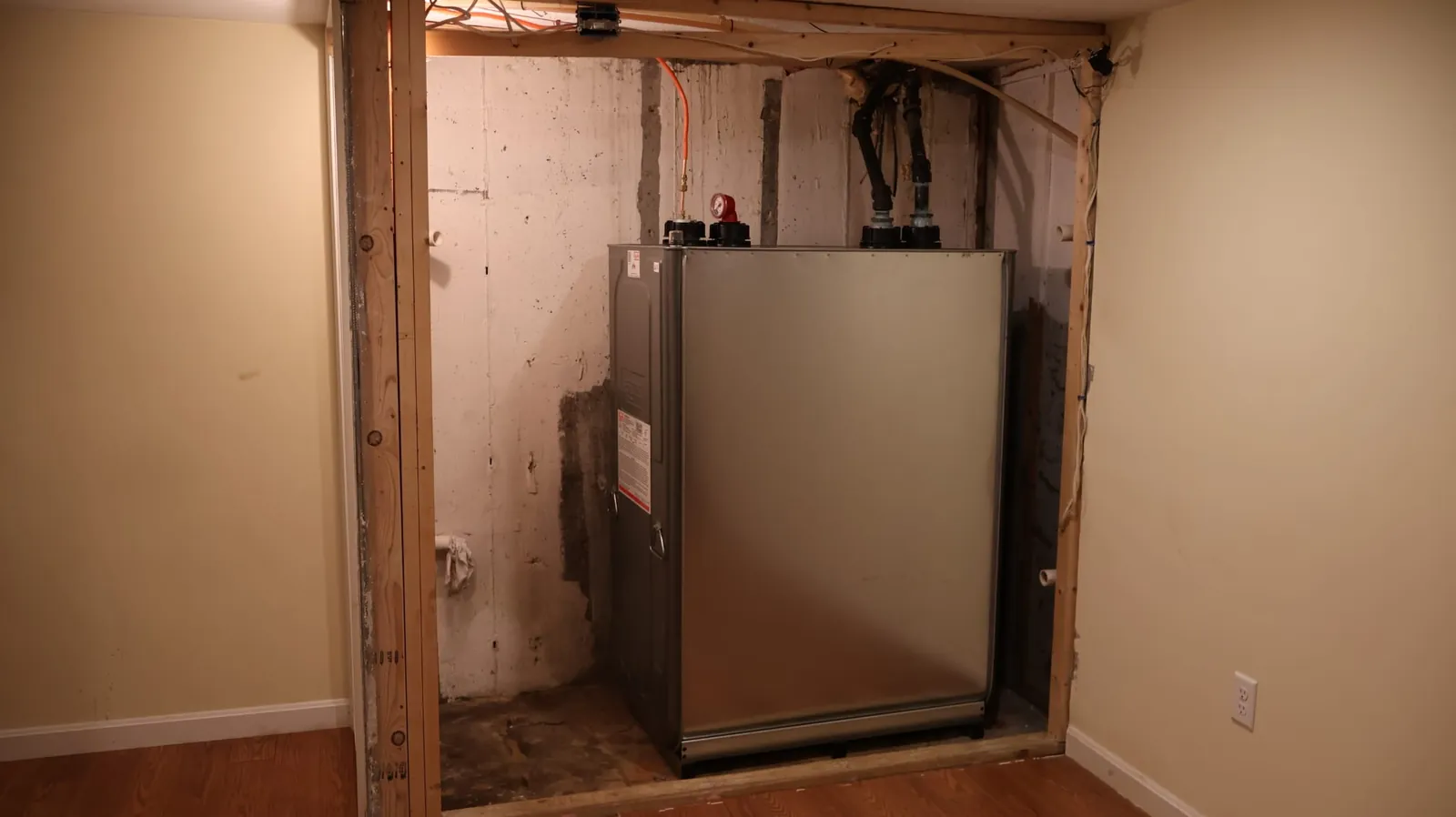
Oil Tank Removal in Massachusetts
An oil tank comes out because it is failing, because you are upgrading it, or because you are leaving oil heat. Armus Mechanical, based in Lakeville, removes above-ground tanks from basements, garages and utility rooms across the SouthCoast and Rhode Island. We can replace the tank in the same job or leave the space clean and the lines capped.
- Same-day repair
- Free estimates on new systems
- Financing through Wisetack
- Warranty on our labor
Worried about your oil tank? Tell me what you're seeing.

At a glance
- Service area
- New Bedford, Lakeville and the rest of the SouthCoast, plus the South Shore, Cape Cod and Rhode Island
- Based in
- Lakeville, MA. We come to your home or business.
- Phone
- 508-521-9477, answered 24/7
- Specialties
- Removal of above-ground oil tanks, with or without a replacement tank
- Pricing
- Repairs start with a paid diagnostic visit. Replacements get a free written estimate.
What happens before and during the removal?
A removal is a safety job first. These are the steps, in order.
Why the tank is coming out
The reason decides what else changes: a failing tank may be replaced, and a tank made redundant by a new fuel is capped off and removed. We ask first so the plan fits.
Draining the remaining oil
We drain what is left in the tank safely before anything else moves. Oil left inside makes the tank heavier and the job riskier.
Disconnecting the system
We disconnect the fuel lines, the filter and the valves, and we deal with the fill and vent pipes. What stays in the house is capped so the system is safe.
Weight and access
A 275-gallon tank is heavy and awkward even when empty. We check the route out and protect the floors and stairs along the way.
Disposal and local rules
We remove the old tank and arrange its disposal under the rules that apply, as part of the quoted scope, so you do not arrange it yourself. Local fire and building rules can apply to a removal too, and we tell you what your town asks for.
What follows the removal
If you are replacing the tank, the new one goes in during the same job. If you are changing fuel, we leave the area clean and the lines capped.
When should an oil tank be taken out?
Plan a removal when any of these is true.
- Visible rust on the tank body or the legs
- An oil smell in the basement or garage
- Wet spots or staining under the tank
- A bulging or soft bottom
- Leaking fuel oil
- An insurer or a buyer asking for the tank to come out
- A switch from oil to gas or to a heat pump
Remove it, or remove it and replace it?
Removal alone fits a house that is leaving oil. Removal and replacement fits a house that is staying on oil.
Remove only when
- You are switching to gas or to a heat pump
- The tank no longer feeds any equipment
- The house is being sold and the buyer wants the tank out
Remove and replace when
- You are staying on oil and the tank is aging or leaking
- You want to move from a steel tank to a double-wall tank
- The oil lines and valves are worn and the system is open anyway
If you are switching fuels, start with our oil-to-gas conversion page.
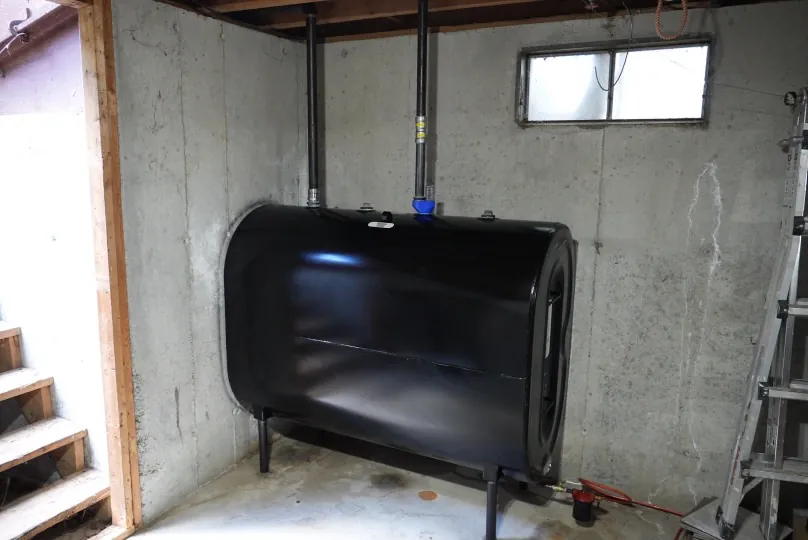
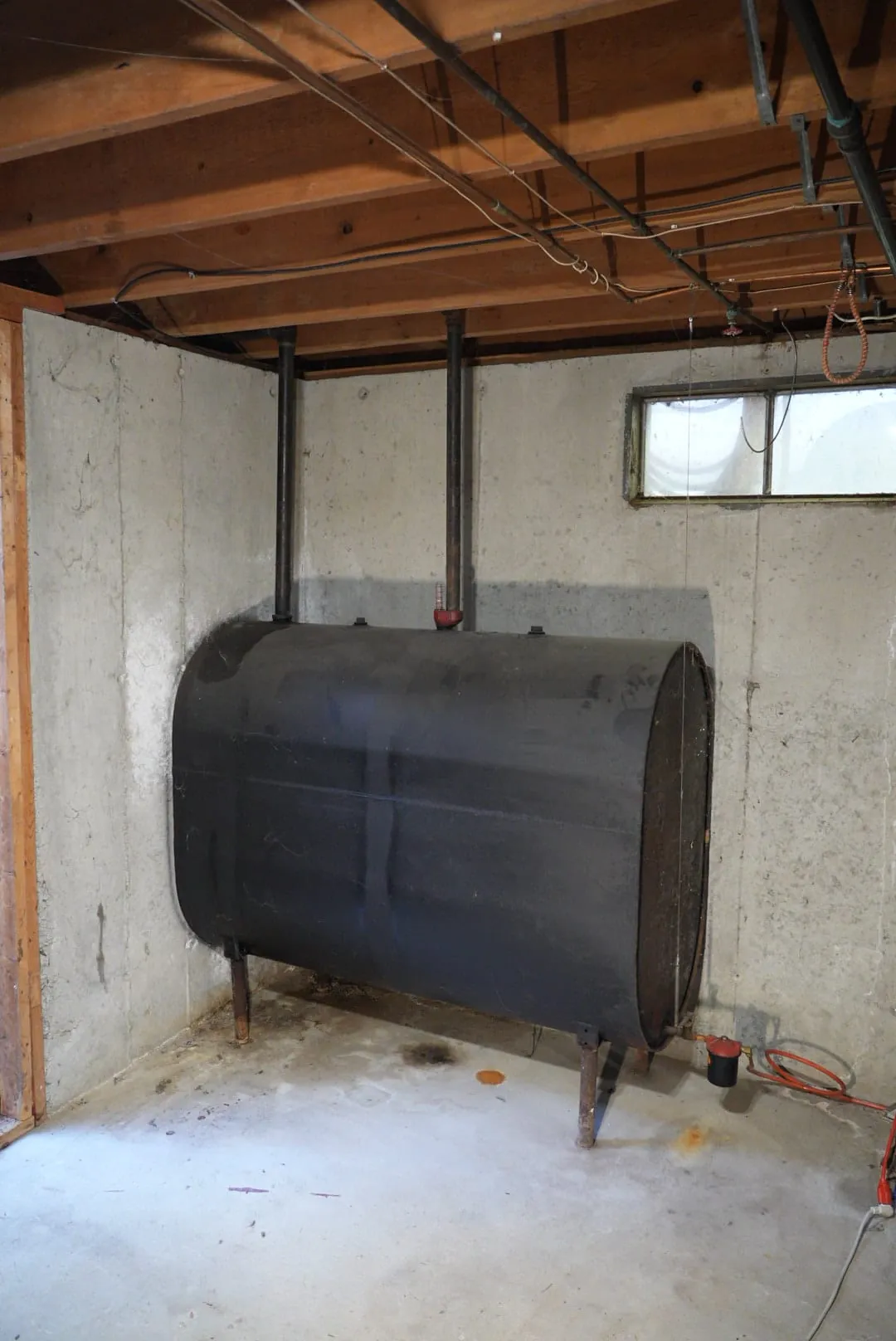
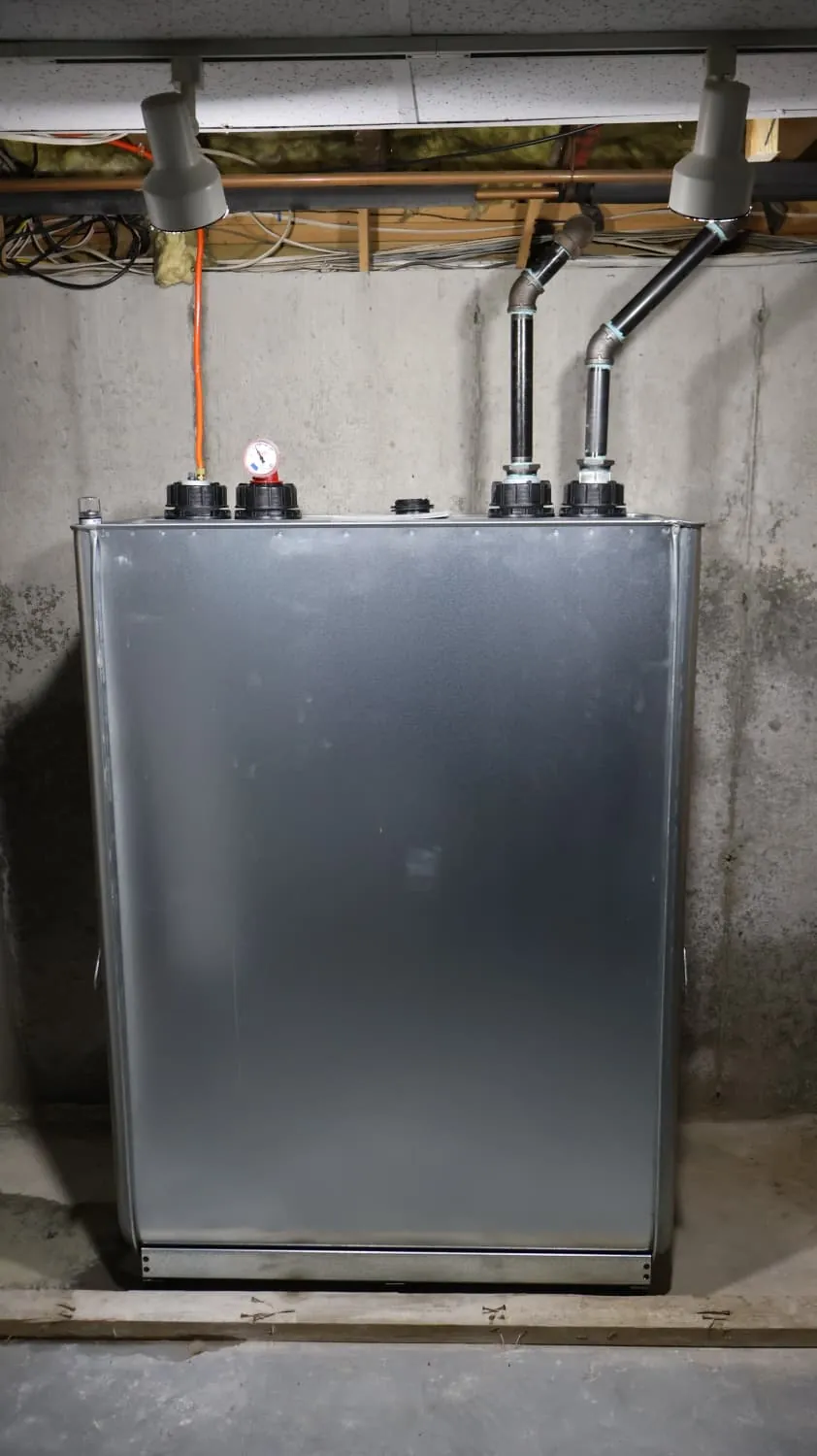
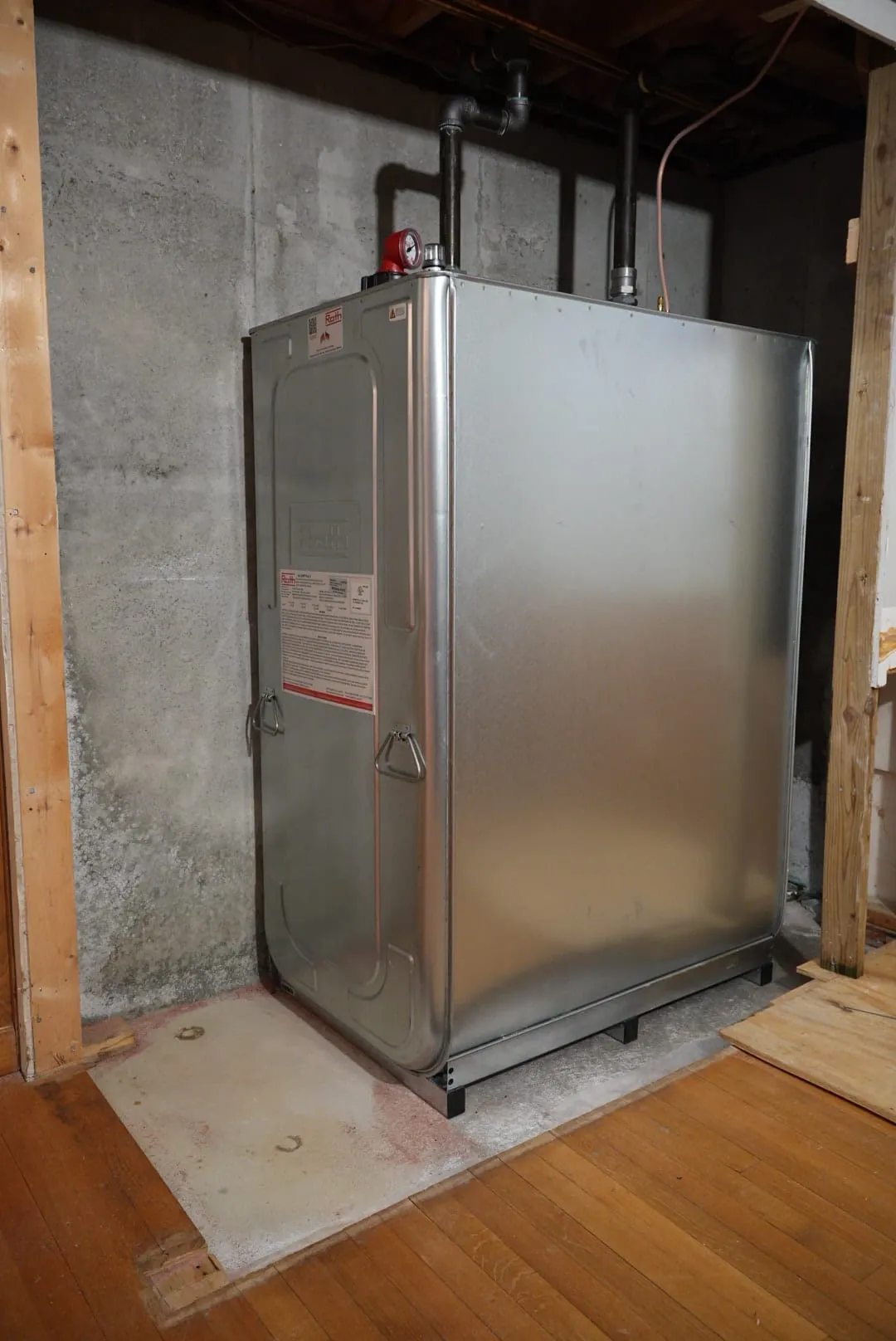
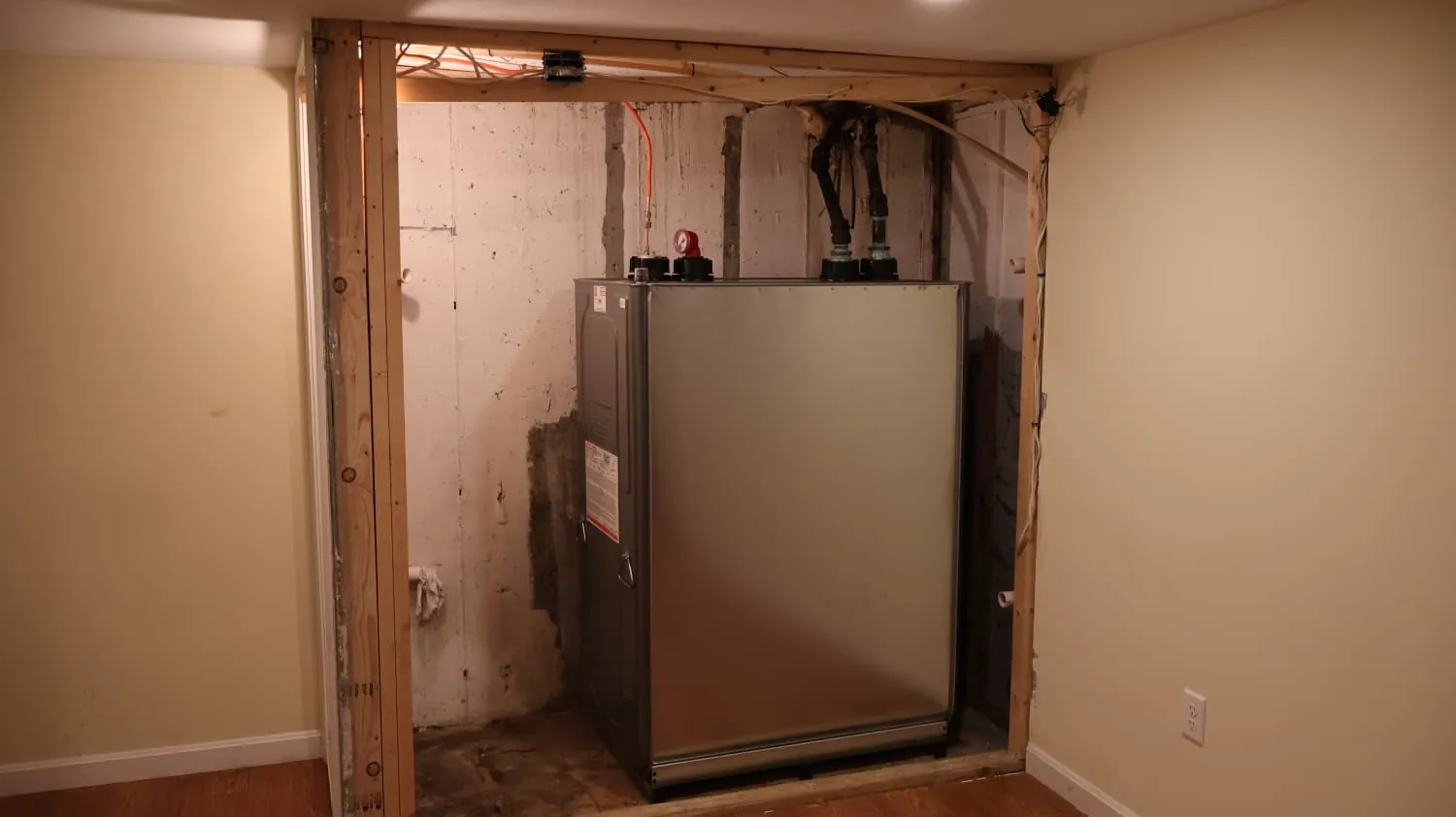
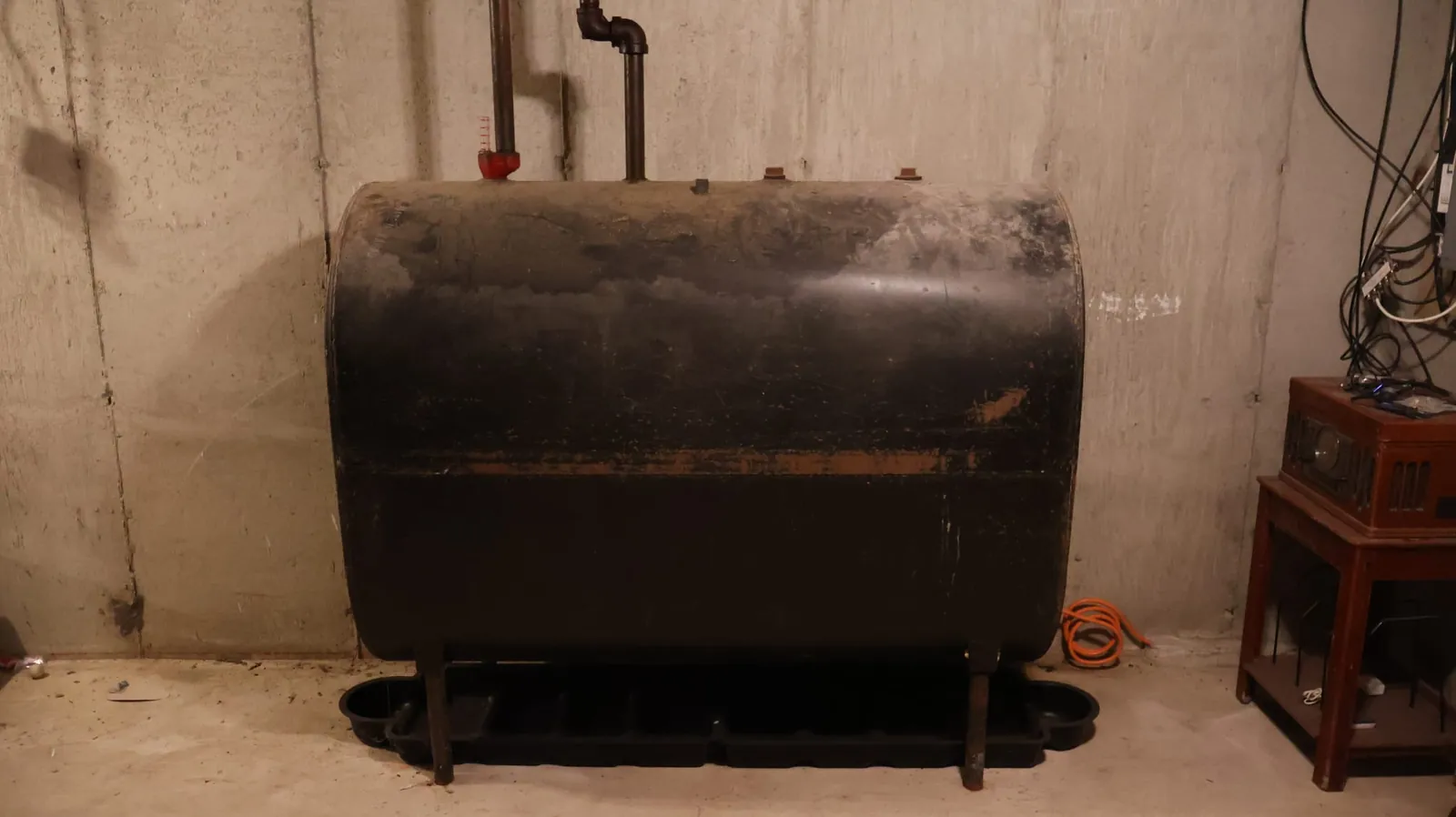
Oil Tanks: job photos
Real jobs, photographed by the technician who did the work.
What affects the cost to remove an oil tank?
No two removals cost the same. These are the parts that change the price.
- The size of the tank, most often 275 gallons
- How much oil is left inside
- How easy it is to reach the tank, and the route out
- Disconnecting the heating system and removing the fuel lines
- Disposal of the tank and the oil
- Whether a new tank and safety parts go in
We set the price at a visit and put it in writing. Our oil tank replacement cost page explains the same factors for a replacement.
How does a removal go, and what does it cost?
Estimate. A removal starts with a free written estimate. A visit is the only way to see the tank, the lines and the route out, so we do not quote a removal by phone.
What happens on removal day.
- We inspect the tank and its connections
- We drain the remaining oil and disconnect the system
- We remove the fuel lines and the tank and cap what stays
- We take the tank away for disposal and leave the area clean
- If a new tank goes in, we set it level, connect it, restart the boiler or furnace and run the operating checks
What to have ready.
- Where the tank sits and how to reach it
- A rough idea of how much oil is left, if you know
- Whether you are replacing the tank or leaving oil heat
- Clear stairs and doorways along the route
Leaking now? Call 508-521-9477 right away and say where the oil is. We assess the tank before we plan the removal and explain any charges in writing.
Book online. For a removal you are planning ahead, send the form or call; we confirm your visit by text.

Mass Save Heat Pump Installer Network participating contractor.
Rebates and the 0% HEAT Loan available.
Financing for new systems runs through Wisetack via Housecall Pro, subject to credit approval. Estimates on new systems are free.
Where do you remove oil tanks?
We work in Lakeville, New Bedford, Middleborough, Dartmouth, Fall River, Taunton, Wareham, Brockton, Fairhaven, and the rest of the SouthCoast, South Shore, Cape Cod and Rhode Island. See all service areas.
Oil tank removal questions, answered
Can you remove my oil tank if I am switching to gas?
Yes. We remove the tank once it is no longer needed, usually as its own step after the new system is running. Our oil-to-gas conversion page covers the switch.
Do I need to empty the tank first?
No. We drain what is left safely as part of the job. Tell us roughly how much is in the tank when you book.
What happens to the old tank?
We remove the tank and handle its disposal as part of the quoted scope, so you do not arrange it yourself. We go over the details when we write the estimate.
Can you take out a tank that has leaked?
Tell us about the leak when you call. Cleanup of contaminated soil or groundwater is separate specialist work that is not part of a normal tank removal; if a job needs it, we tell you and arrange the appropriate specialist scope.
Can the removal and a new boiler or furnace happen together?
Yes. Doing the tank and the equipment in one job saves a second visit, and we plan the order so you are never without heat longer than needed.
How much does oil tank removal cost?
The cost of removing an above-ground oil tank depends on the size of the tank and where it sits, such as a basement or garage, how easy it is to reach, how much oil is left inside, and the disposal and local rules. It also depends on whether a new tank or a gas conversion follows. We do not quote a removal by phone: it starts with a free written estimate after we see the tank and the route out.
Get a free written estimate in New Bedford & the SouthCoast
Call 508-521-9477, answered 24/7, or tap Book ASAP and the office confirms your visit by text.