
Energy-Efficient Oil-to-Gas Conversions in Rhode Island & Massachusetts
An oil-to-gas conversion replaces your oil-fired boiler or furnace with a gas one, and it ends the oil tank and the oil deliveries. Armus Mechanical, based in Lakeville, manages the heating-system conversion, and we assess oil-to-gas, propane-to-natural-gas and other fuel conversions for equipment compatibility and project scope. The first question is whether gas runs to your street.
- Same-day repair
- Free estimates on new systems
- Financing through Wisetack
- Warranty on our labor
Boiler banging, leaking or not firing? Tell me what's going on.

At a glance
- Service area
- New Bedford, Lakeville and the rest of the SouthCoast, plus the South Shore, Cape Cod and Rhode Island
- Based in
- Lakeville, MA. We come to your home or business.
- Phone
- 508-521-9477, answered 24/7
- Specialties
- Oil-to-gas, propane-to-natural-gas and other fuel conversions for boilers, furnaces and other heating equipment, with Armus managing the heating-system conversion
- Pricing
- Repairs start with a paid diagnostic visit. Replacements get a free written estimate.
What do you check before an oil-to-gas conversion?
The equipment is the easy part. The gas supply and the venting decide the job.
Is gas available on your street?
The gas company decides whether a main runs past your house and whether it can serve you. We help you ask the right questions, and the answer shapes everything else.
The service line and meter
The gas utility installs and owns the service line and the meter, and it does that work and its scheduling itself. We manage the heating-system side of the conversion and the work listed in your estimate.
The heating equipment
Most conversions replace the oil boiler or furnace with a gas one, because the new equipment is built for gas. We tell you what your current system would need if you want to compare.
Propane and other fuels
We also assess propane-to-natural-gas and other fuel conversions for equipment compatibility and project scope. Some existing appliances can be converted and others are replaced, and the estimate says which.
Gas piping
We size the gas piping to the new equipment and to any other gas appliances. A longer run or a smaller pipe changes the scope.
Venting and chimney
A gas boiler or furnace usually vents differently from an oil unit. We check the chimney and the vent route, and a liner or a new vent pipe may be needed.
The oil tank
The tank is usually removed once it is no longer needed. That is a separate step, covered on our oil tank removal page.
Rebates and the utility that serves you
Utilities have offered rebates for gas equipment and for heat pumps, and the amounts change. We check the current programs for your address before you decide.
Permits and inspection
New gas piping and equipment usually need a town or city permit and an inspection. We take care of the filing.
When does oil-to-gas make sense?
Homeowners usually start looking when one of these is true.
- The oil boiler or furnace is aging
- Repairs keep coming back
- You want to stop storing fuel oil at home
- The oil tank is near the end of its life
- Gas already runs to your street or your neighbors’ houses
- You are planning a long-term upgrade rather than a repair
Convert to gas, or consider a heat pump?
Gas is one way off oil, and a heat pump is the other. The right one depends on your street and your house.
Gas tends to fit when
- Gas runs to your street
- You have radiators or baseboard and want to keep them
- You want high-temperature heat from a boiler
A heat pump tends to fit when
- Gas does not run to your street
- You also want cooling, which a heat pump provides
- A rebate favors a heat pump for your utility
We price the options side by side when you ask. See heat pumps and boiler installation.
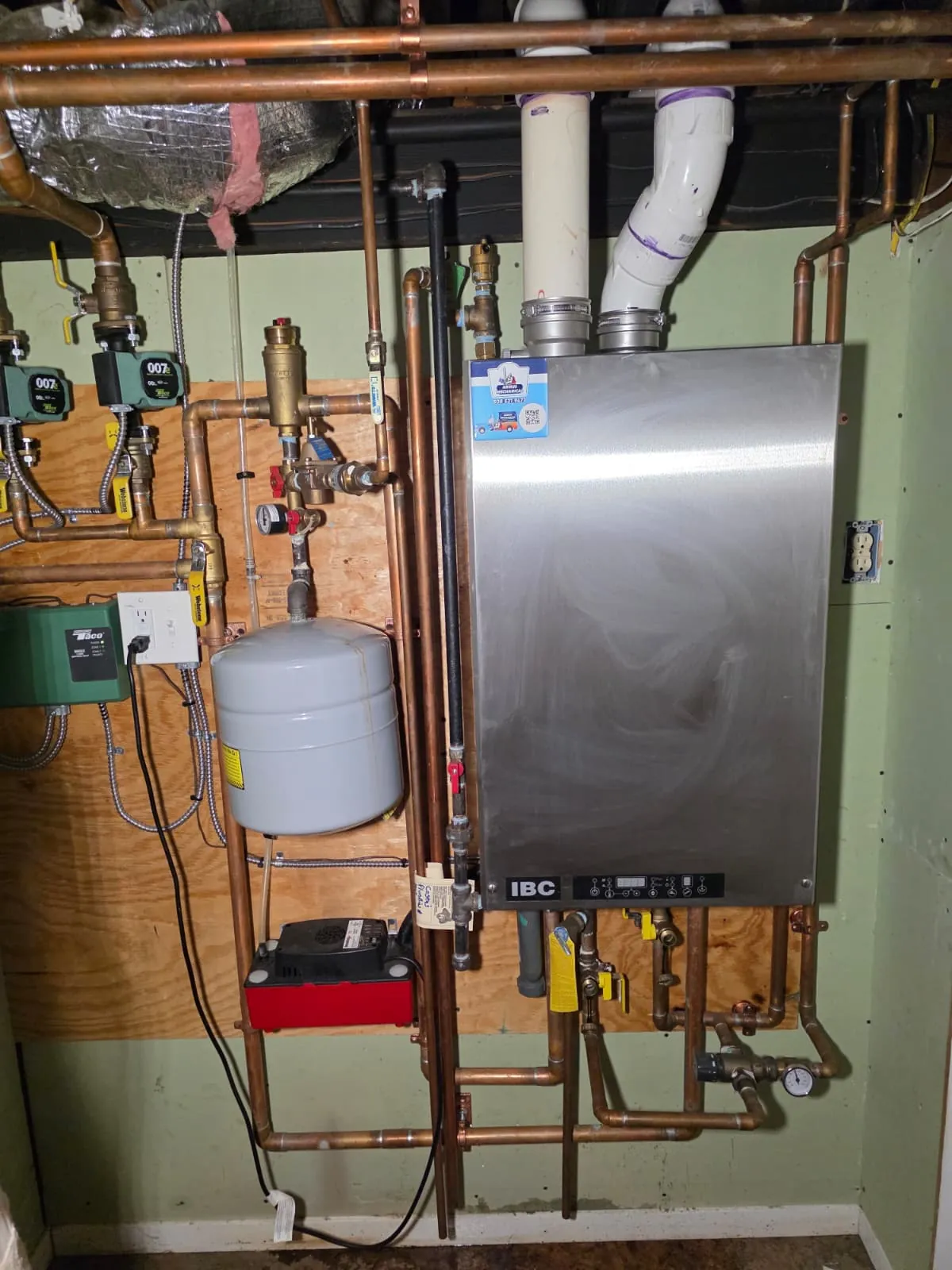
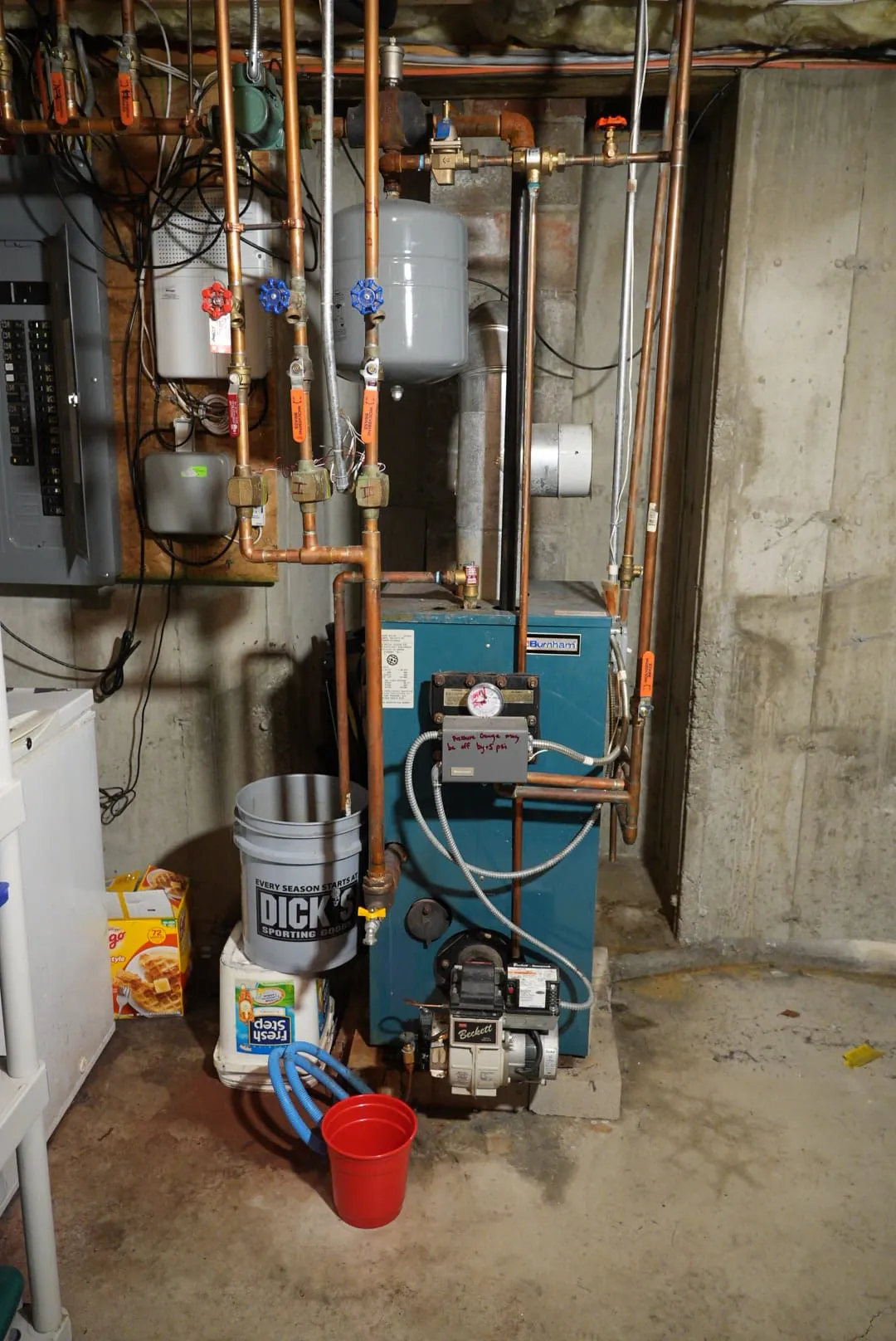
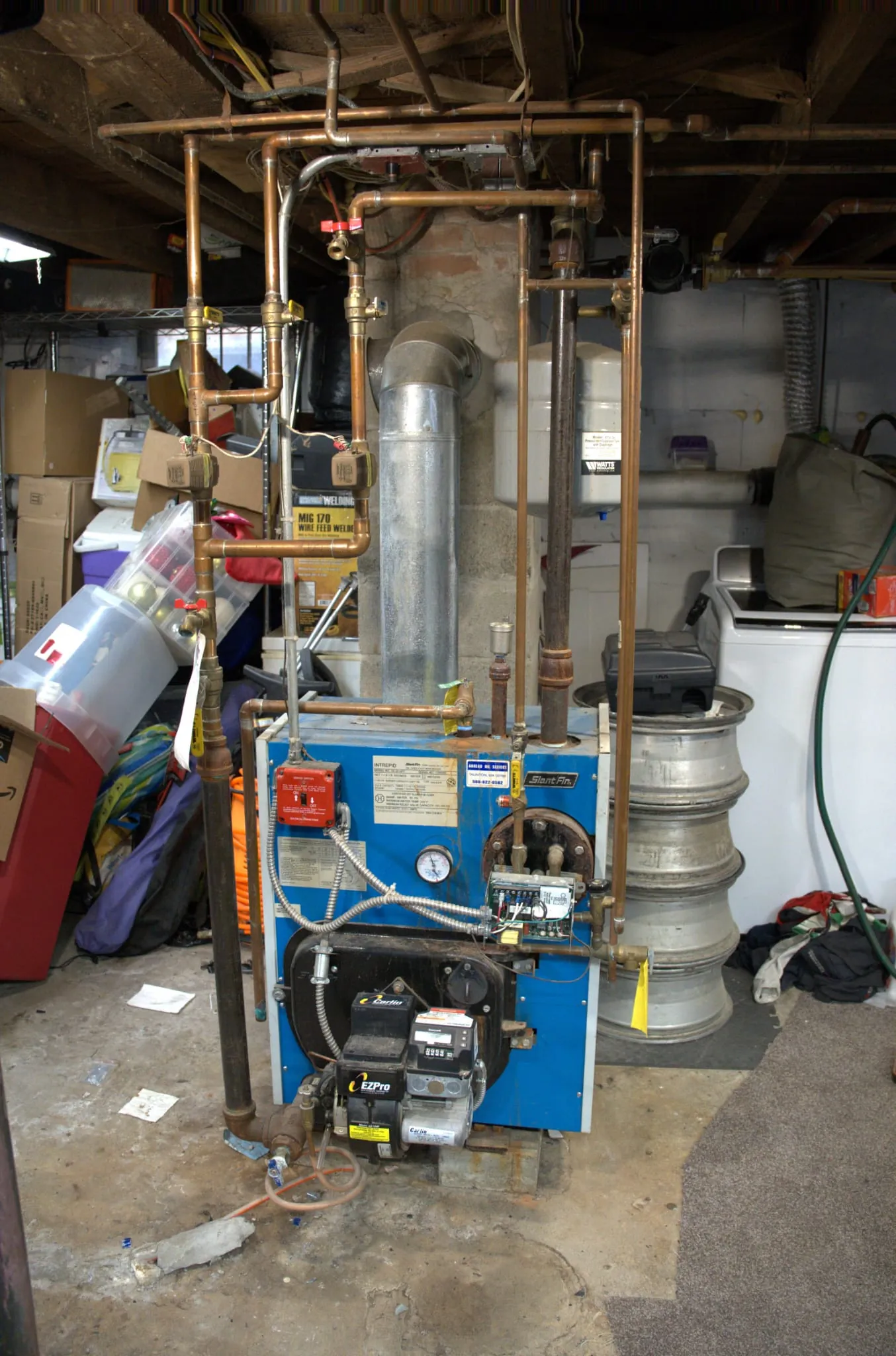
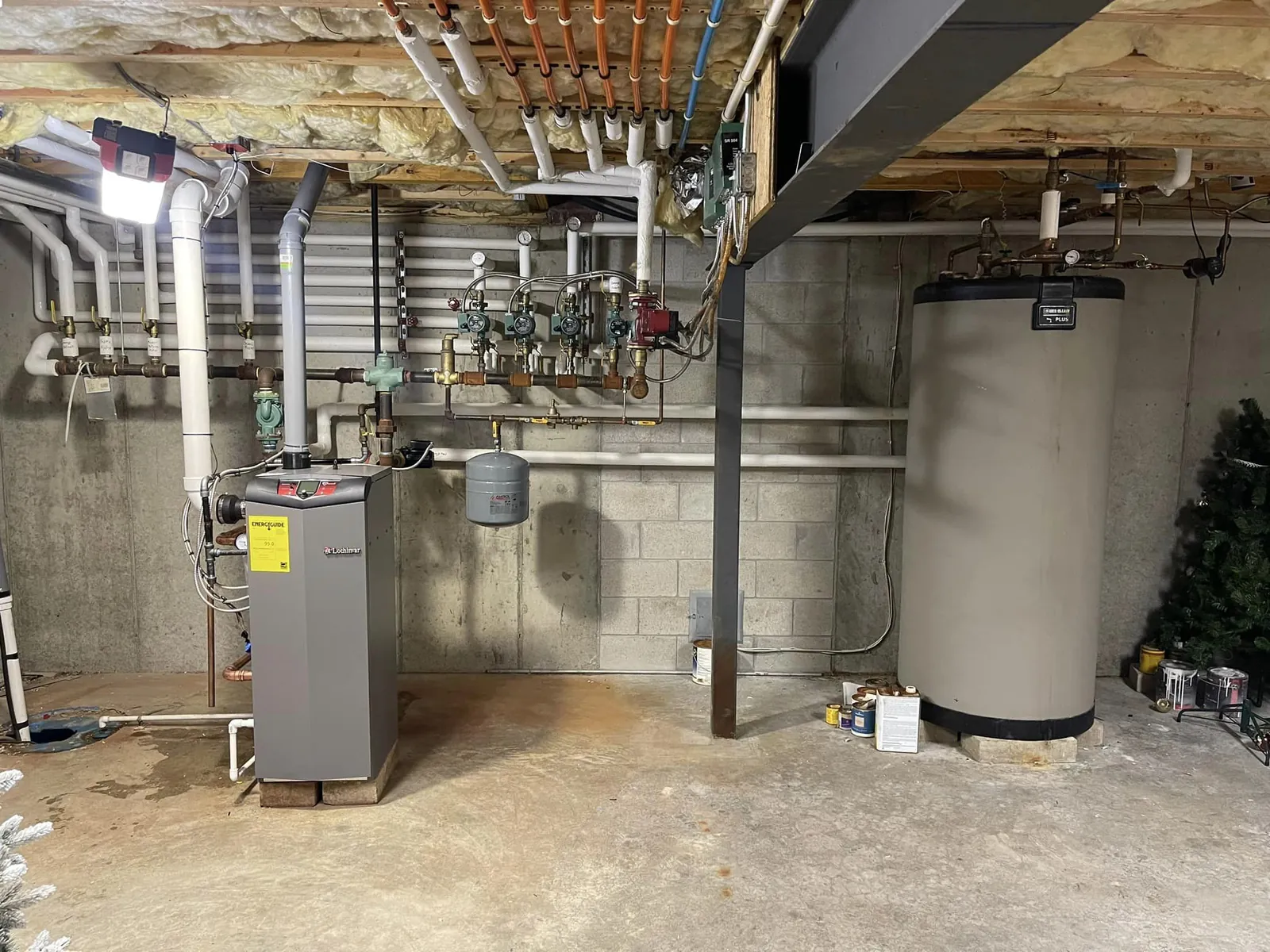
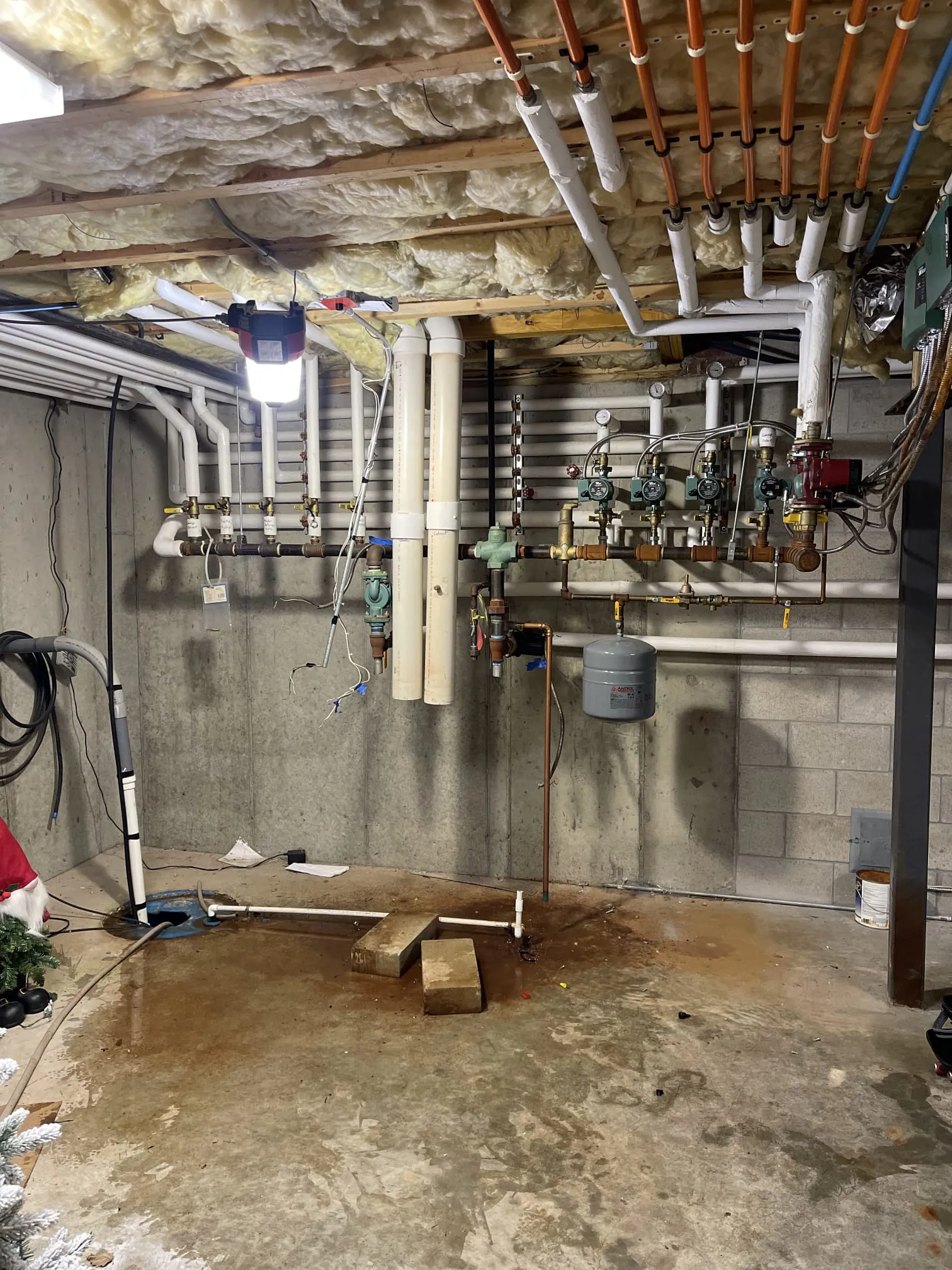
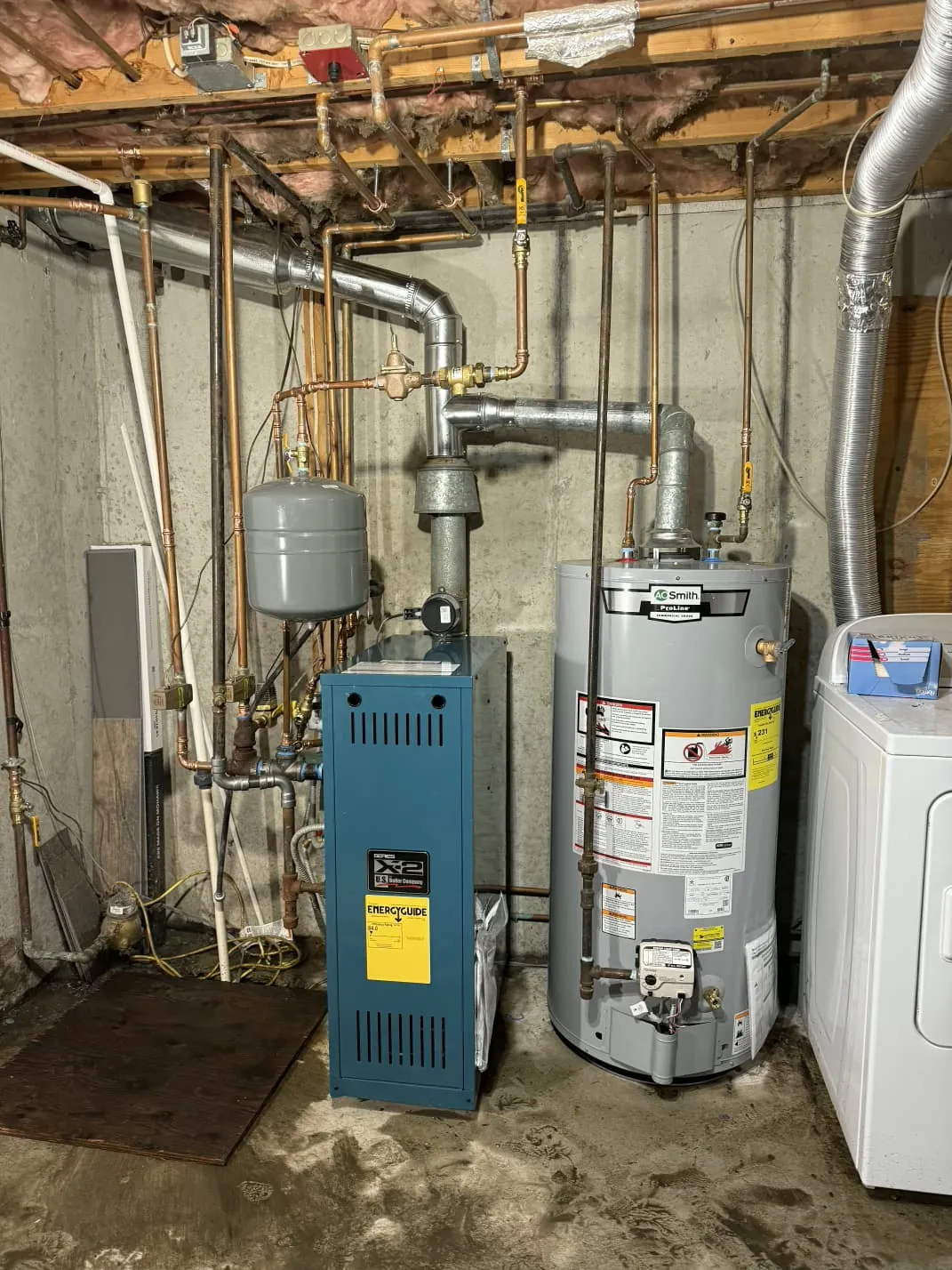
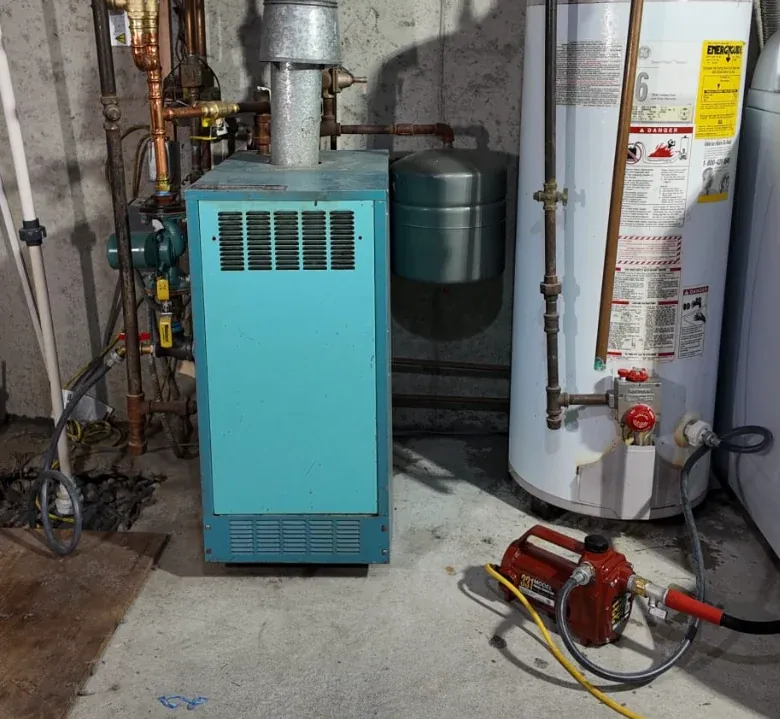
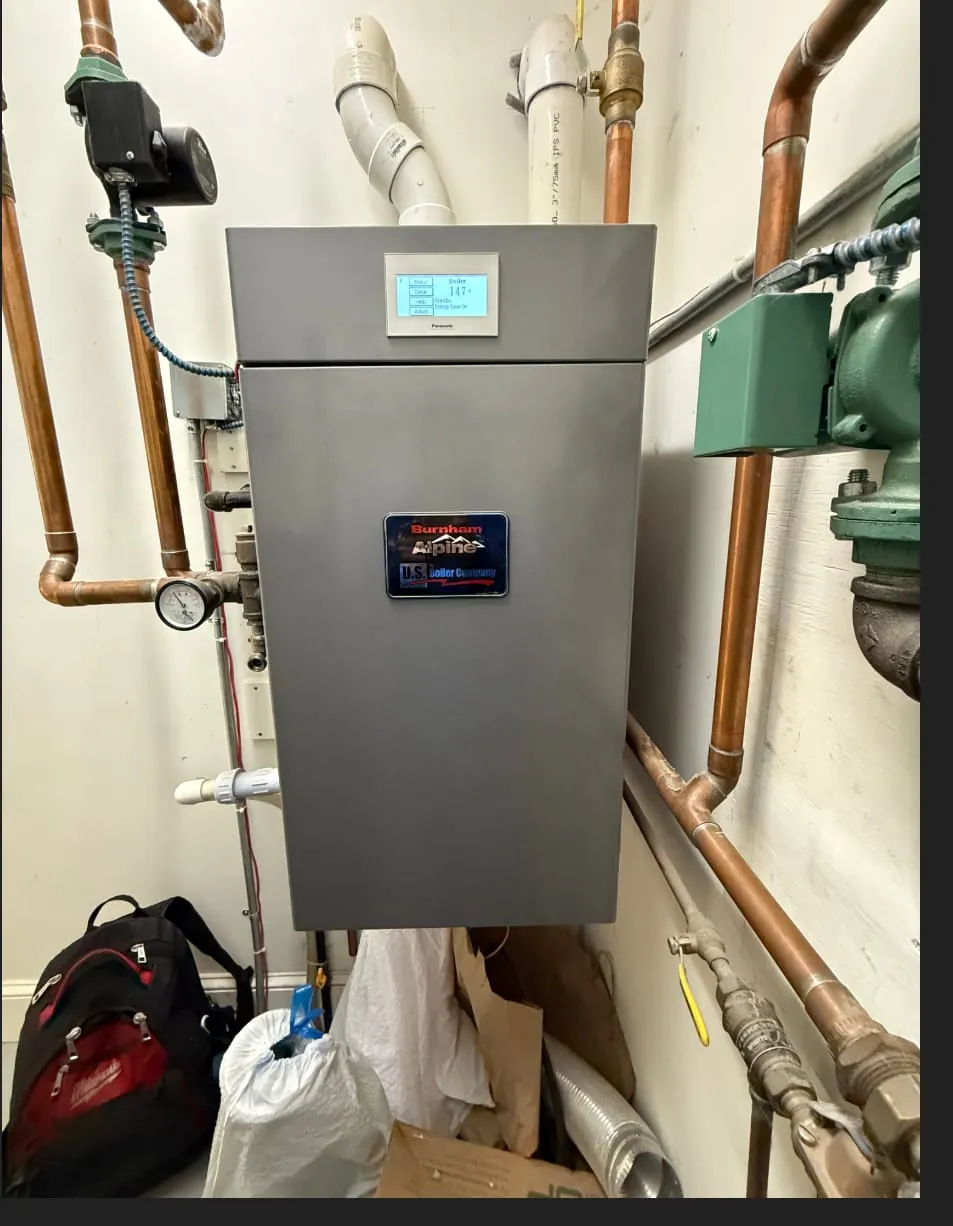
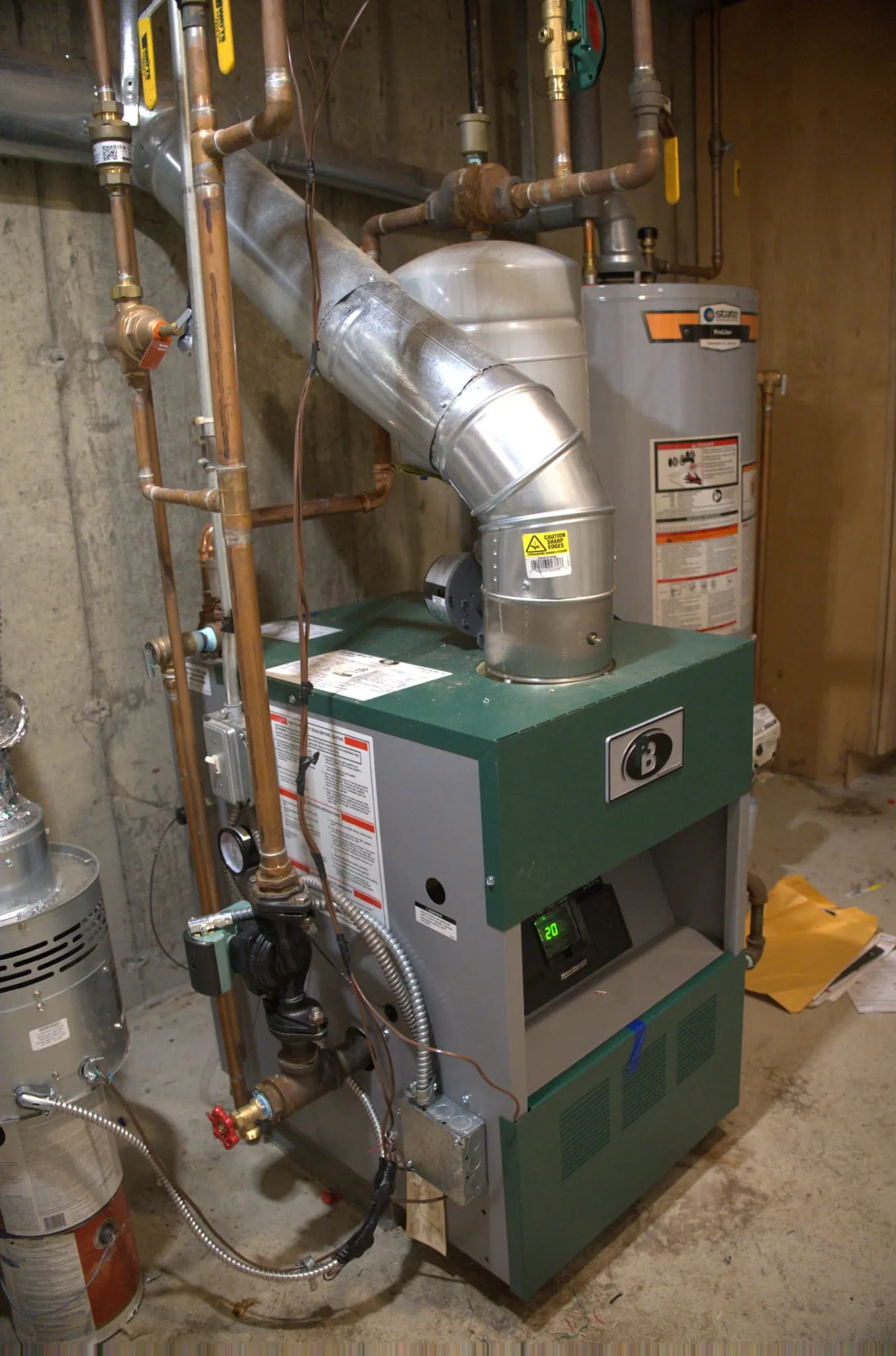
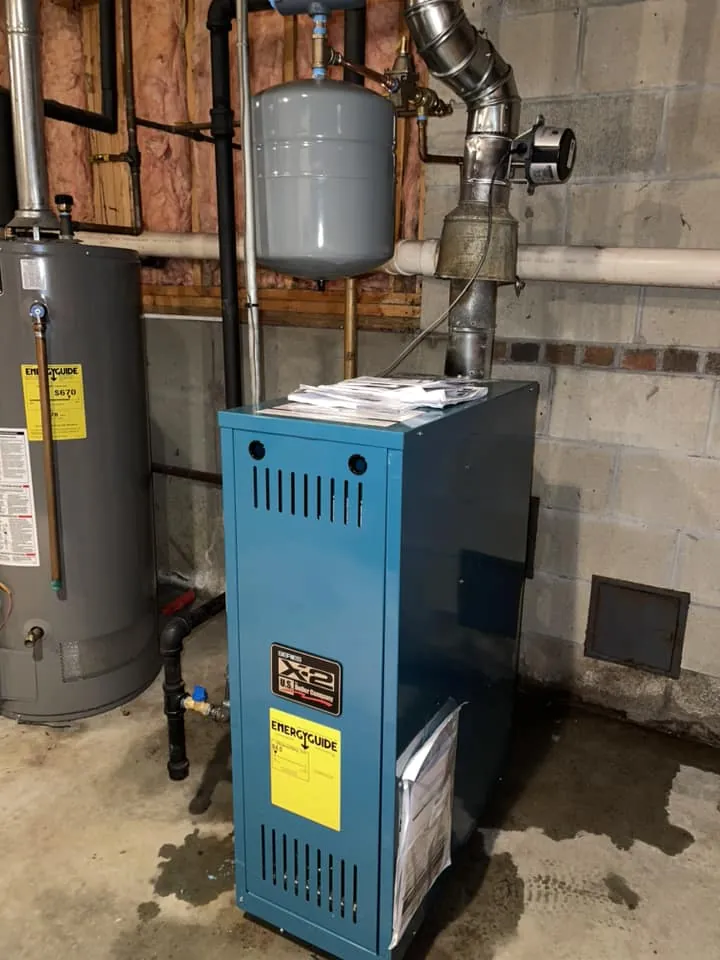
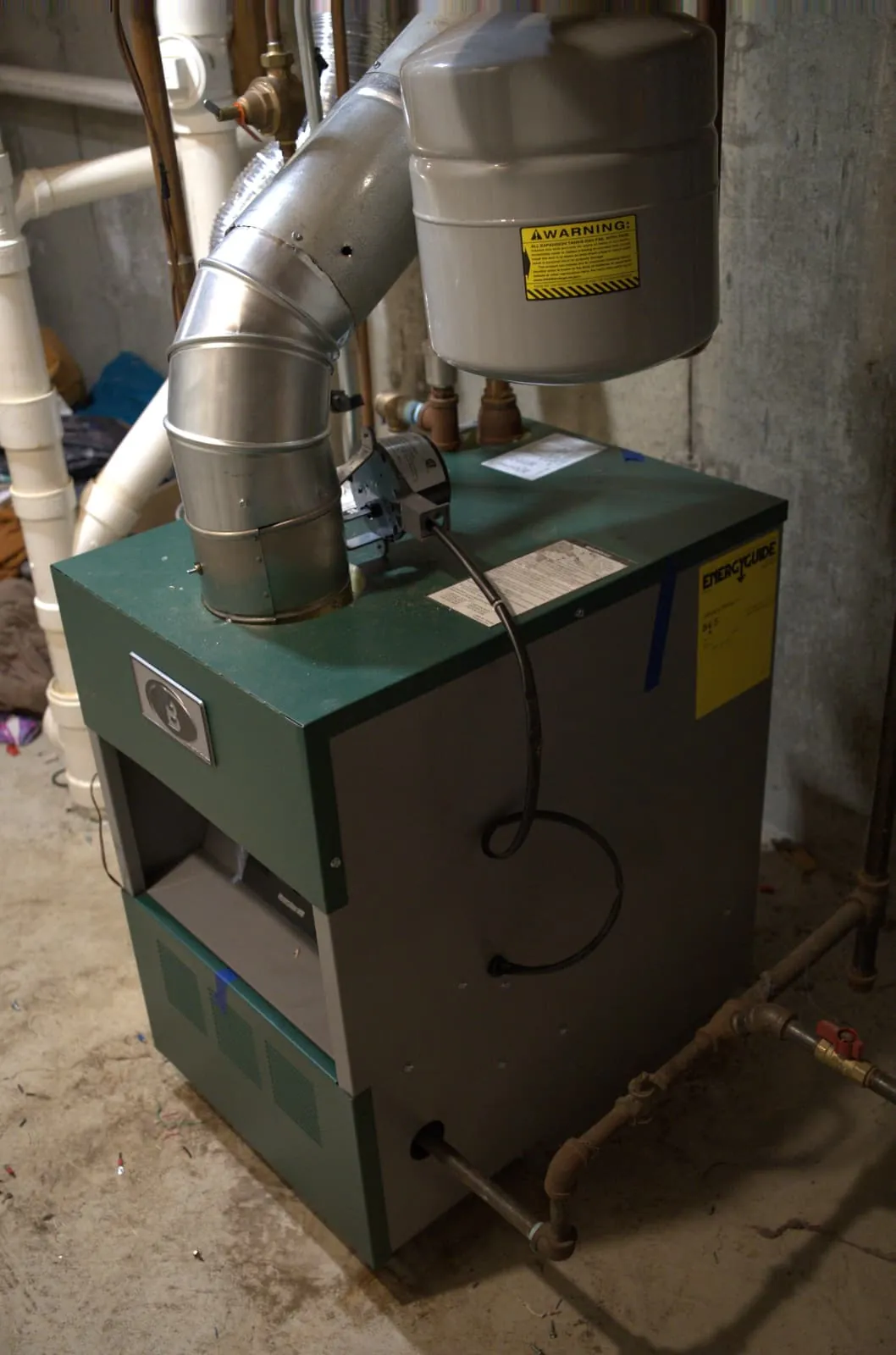
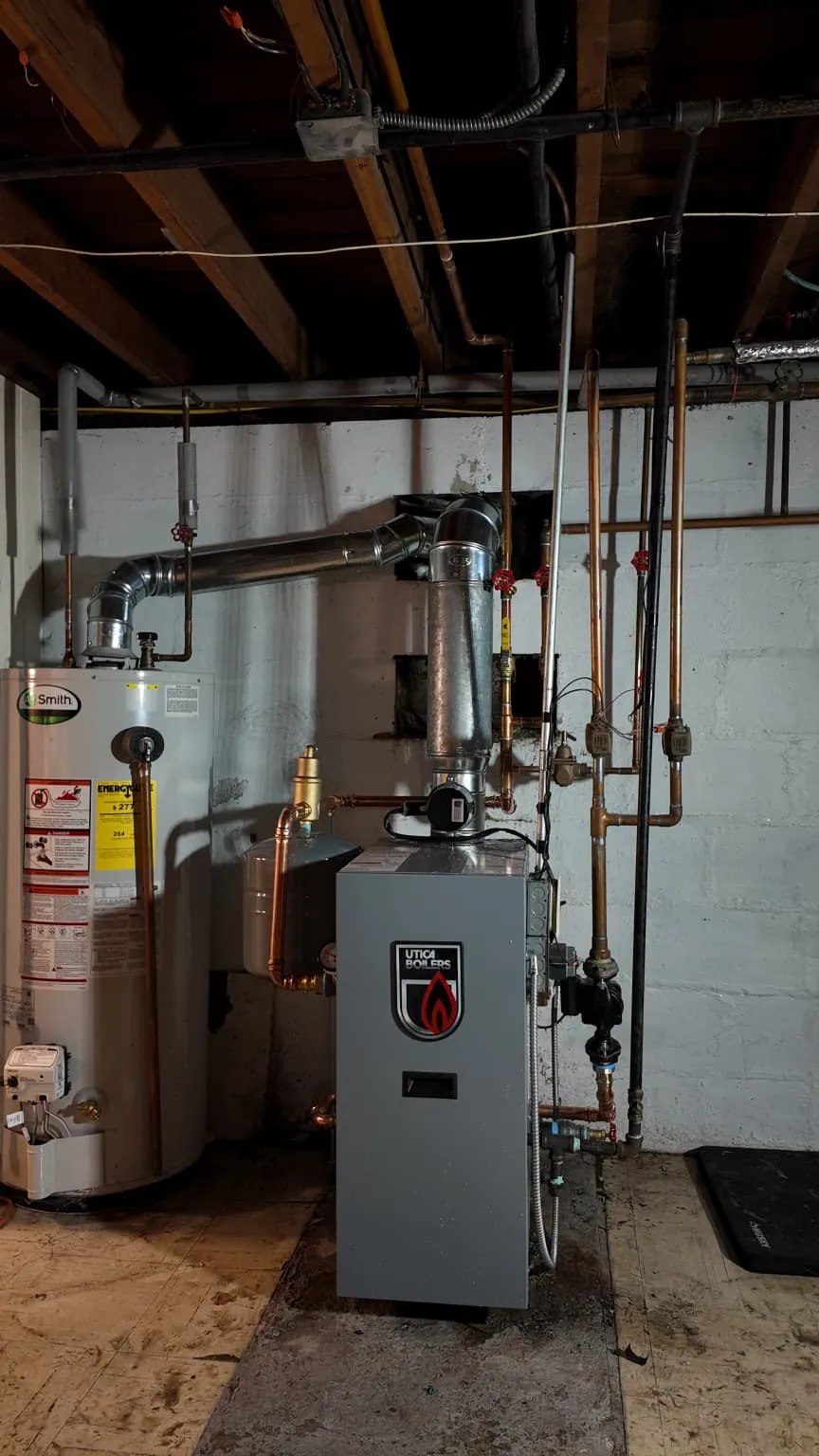
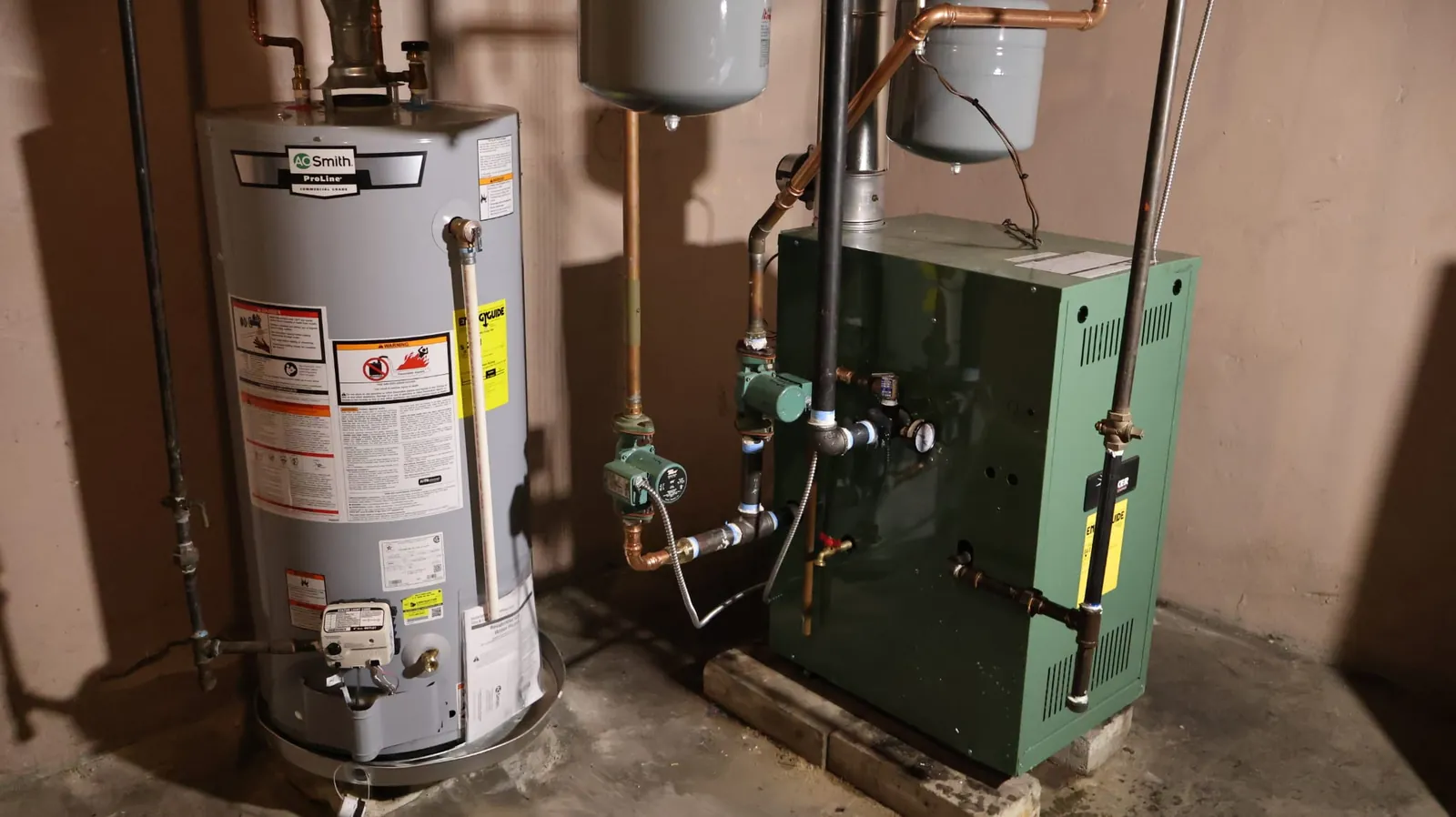
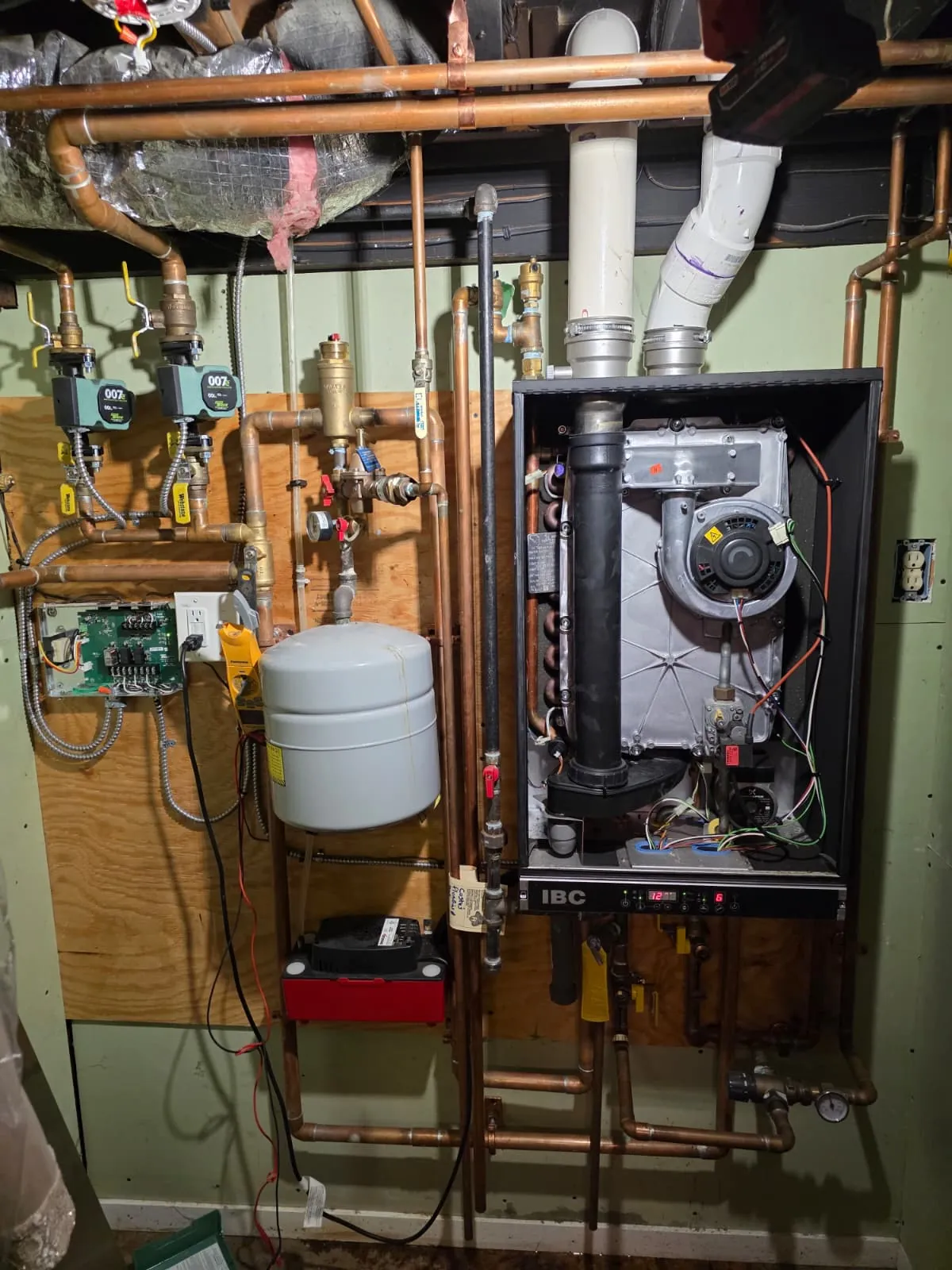
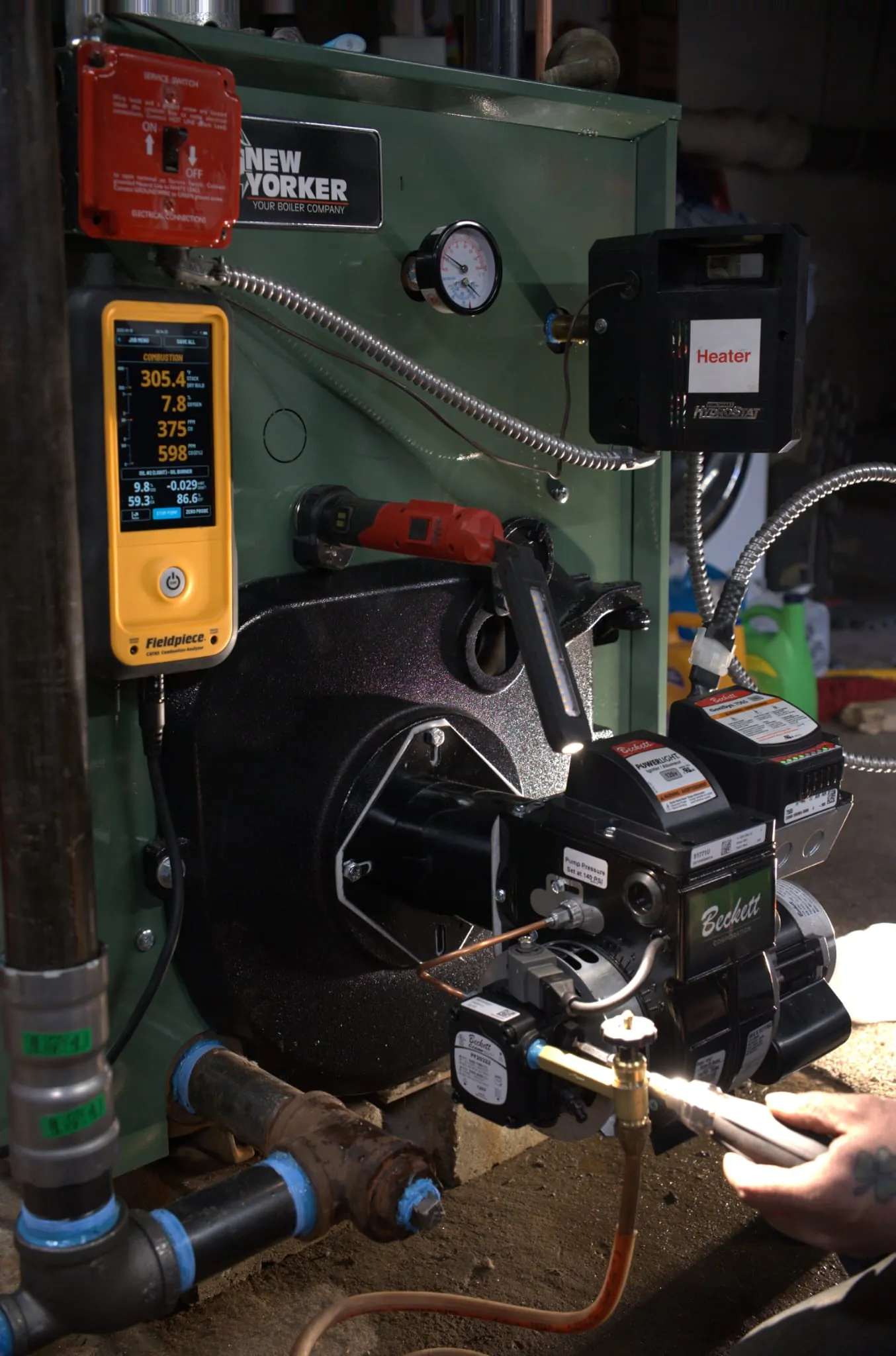
Boilers: job photos
Real jobs, photographed by the technician who did the work.





What affects the cost of an oil-to-gas conversion?
Every house is different, so a site visit is the only way to get an accurate number.
- The type of heating system being installed
- Whether gas service is already available
- Venting requirements
- How complex the piping is
- The equipment you choose
- Permit and inspection requirements
How does a conversion go, and what does it cost?
Estimate. A conversion starts with a free written estimate after a site visit. We look at the current system, the gas situation and the venting, and the estimate lists the equipment and the work.
What happens on install day.
- The old oil equipment is shut down and disconnected
- The gas piping is run and tested
- The new gas equipment is set, vented and connected
- We test the venting, the controls and the safety devices
- We walk you through the controls and take the old equipment away
What to have ready.
- The age and make of the current boiler or furnace
- Whether gas runs to your street, or a recent bill from a neighbor who has it
- The location of the oil tank and the chimney
- Your timing, and whether the tank is also due for replacement
System down right now? If your oil system has stopped, a paid diagnostic visit comes first, and then you can weigh a repair against a conversion. If a tank is leaking, call 508-521-9477 right away.
Book online. For a project you are planning ahead, send the form or call; we confirm your visit by text.

Mass Save Heat Pump Installer Network participating contractor.
Rebates and the 0% HEAT Loan available.
Financing for new systems runs through Wisetack via Housecall Pro, subject to credit approval. Estimates on new systems are free.
Recent oil-to-gas related jobs
From our completed jobs, most recent first. Customer names and street addresses are left out.
- July 2026, Lakeville. Oil-fired furnace: Replaced the oil-fired furnace and removed the oil tank in the same job.
Where do you do oil-to-gas conversions?
We work in Lakeville, New Bedford, Middleborough, Dartmouth, Fall River, Taunton, Wareham, Brockton, Fairhaven, and the rest of the SouthCoast, South Shore, Cape Cod and Rhode Island. See all service areas.
Add it to a maintenance plan
Seasonal tune-ups keep your boiler efficient and catch small problems before the first freeze.
See maintenance plansOil-to-gas questions, answered
How much can I save by converting to gas?
It depends on fuel prices, the efficiency of your current equipment and the new equipment you choose. We do not promise a percentage, and we can walk through your own numbers at the estimate.
How long does an oil-to-gas conversion take?
A straightforward swap with gas already at the house is a short job. A new gas service, new piping or a chimney liner adds time, and we give you the plan before we start.
Is natural gas cleaner than oil?
Natural gas burns with fewer emissions than heating oil, which is one reason homeowners switch. It is still a fossil fuel, and a heat pump is the electric alternative.
What if gas is not available on my street?
Then the choices are a new oil system or a heat pump, and we price them for you. The gas company can tell you whether a main is planned.
Who installs the gas meter and the service line?
The gas utility installs and owns them. We manage the heating-system conversion and the work listed in your estimate, and we do not do utility-owned work.
Can every appliance be converted to the new fuel?
Not always. Some existing appliances can be converted and others are replaced, and the written estimate says which.
Do I have to remove the oil tank?
Usually the tank comes out once it is no longer needed. It is a separate step, and our oil tank removal page explains it.
Get a free written estimate in New Bedford & the SouthCoast
Call 508-521-9477, answered 24/7, or tap Book ASAP and the office confirms your visit by text.