If your home has older electric baseboard heaters, you’re not alone. They were a popular easy button for builders for decades, no ductwork, low upfront cost, and simple installation. But are baseboard electric heaters still a smart choice today, especially with rising electric rates and new options like heat pumps?
In this guide, we’ll break down how an electric baseboard heater works, the real pros and cons, what they cost to run, and when you might want to replace them with a more efficient heating system.
What Is an Electric Baseboard Heater?
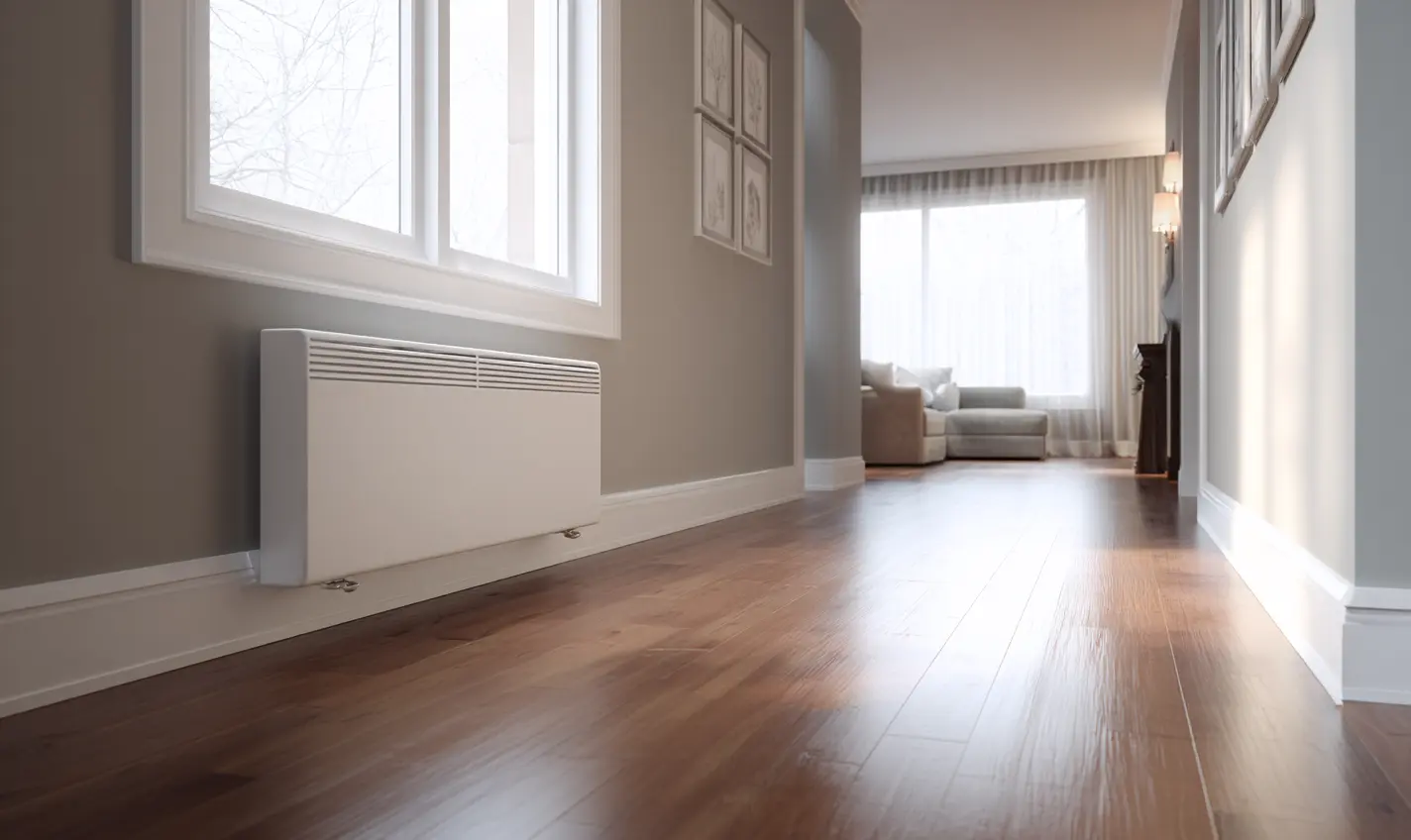
An electric baseboard heater is a long, metal unit that sits along the bottom of an exterior wall, usually under a window. Inside the metal housing is either:
- A resistance heating element (like a big, safe toaster wire), or
- Electric coils that warm up when electricity passes through them
Cool air is pulled in from the bottom, heated as it passes over the element, and then rises out of the top vents. There’s no blower motor, just natural convection.
Many homes have a thermostat on the wall for each room, making every room its own zone.
How Electric Baseboard Heaters Work
- You set the thermostat for that room
- Electricity flows to the baseboard heater
- The element heats up and warms the air around it
- Warm air rises, cooler air drops, and the cycle repeats
Because there are no ducts or fans, baseboard heaters are quiet. But that simplicity comes with a tradeoff: every bit of heat comes from pure electricity, which is one of the most expensive ways to heat a home long-term.
Pros of Electric Baseboard Heaters
Easy to Install (No Ductwork Needed)
For homes without existing ductwork, older homes, condos, or small apartments, baseboard electric heaters are simple to add. There’s no need to tear into walls and ceilings to run ducts.
Room-by-Room Zoning
Each room typically has its own thermostat. That means you can:
- Keep bedrooms cooler at night
- Turn down heat in rooms you rarely use
- Avoid heating the entire house when you only need one space comfortable
Quiet Operation
No fans, no blowers, no humming. Just silent operation as the unit warms up.
Low Upfront Cost
Compared to installing a full central HVAC system, a baseboard heater is inexpensive to purchase and quick to wire in.
Cons of Electric Baseboard Heaters
High Operating Cost
Electric resistance heat is one of the most expensive ways to heat a home. Every kilowatt of electricity becomes heat, but electricity typically costs more per unit of heat than natural gas, oil, or modern heat pumps.
If you rely on electric baseboard heaters as your primary heat source, your winter bills can be significantly higher than homes using other systems.
No Cooling
Baseboard heaters only heat. There’s no built-in air conditioning, dehumidification, or air filtration. You’ll still need window units or another system for summer.
Uneven Comfort
Because they rely on natural convection, baseboard units can cause hot spots near the heaters, cold spots across the room, and slower warm-up times in very cold weather.
Furniture & Safety Clearance
Furniture, curtains, and bedding must be kept clear so air can circulate and to reduce fire risk. This can limit room layout, especially in smaller spaces.
Older Units Can Be Risky
Aging baseboard electric heaters may overheat, trip breakers, or collect dust and pet hair. If your units are decades old, an inspection is strongly recommended.
Are Electric Baseboard Heaters Energy Efficient?
Technically, electric baseboard heaters are 100 percent efficient at converting electricity into heat. The issue is cost, not efficiency.
Electricity is more expensive than other heating fuels, and baseboard heaters do not multiply energy the way heat pumps do.
A modern heat pump or ductless mini split can produce two to three times more heat per unit of electricity than a baseboard heater, resulting in lower energy bills and better comfort.
When Electric Baseboard Heaters Make Sense
Electric baseboard heaters can still be a reasonable choice for:
- Small additions or bonus rooms
- Seasonal homes or cottages
- Rarely used spaces
- Backup heat for a single room
If they are your main heat source and winter bills are high, alternatives are worth exploring.
Better Alternatives: Heat Pumps & Ductless Mini Splits
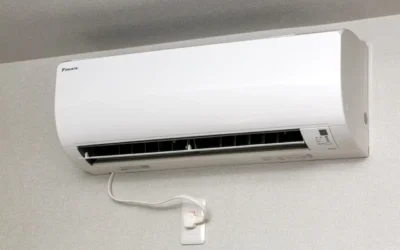
For many homeowners, replacing electric baseboard heaters with a ductless mini split heat pump or a modern heat pump system can dramatically improve comfort and efficiency.
Why Heat Pumps Beat Electric Baseboard Heat
- Much lower operating costs
- Heating and cooling in one system
- More even temperatures
- Built-in air filtration and humidity control
- Potential access to rebates and incentives
If you are considering an upgrade, professional heat pump installation can often be completed with minimal disruption to your home.
Basic Safety & Maintenance Tips for Baseboard Heaters
- Keep units clear of furniture and curtains
- Vacuum regularly to remove dust and pet hair
- Check thermostats for accuracy
- Inspect for discoloration or signs of overheating
FAQs About Electric Baseboard Heaters
Do electric baseboard heaters use a lot of electricity?
Yes. Compared to heat pumps or gas systems, electric baseboard heaters generally use more electricity to produce the same amount of heat.
Can I leave my baseboard heaters on overnight?
Yes, if they are properly installed, in good condition, and kept clear of obstructions. Many homeowners reduce the temperature overnight to save energy.
How long do electric baseboard heaters last?
They can last 20 years or more, but older units may be less safe and less comfortable. Frequent breaker trips or visible wear are signs it may be time to upgrade.
Thinking About Replacing Electric Baseboard Heaters?
If your home relies on electric baseboard heaters and winter energy bills are high, you do not need to tear your house apart to upgrade. Modern systems can significantly improve comfort and efficiency.
Learn more about our furnace and heating services or schedule a quote with Armus Mechanical today.